
San Francisco Premises Liability Lawyers
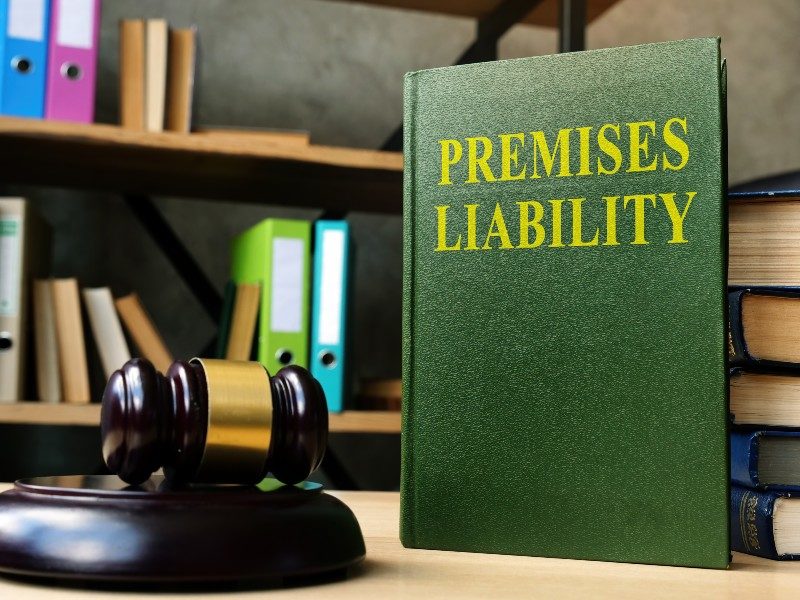
Property owners, businesses, landlords, property managers, and others who control property have a responsibility to use reasonable care to keep their premises safe.
When dangerous conditions are ignored, inadequately inspected, or left unrepaired, visitors and tenants can suffer serious injuries.
The San Francisco premises liability lawyers at The Hassell Law Group represent people injured at apartment buildings, restaurants, offices, parking facilities, sidewalks, construction sites, stores, hotels, and other properties throughout San Francisco and the Bay Area.
Our law firm has more than 90 years of combined personal injury experience, an undefeated trial and arbitration record on behalf of our clients, and substantial results in contested premises cases.
These claims frequently turn on three questions:
- Who controlled the property?
- What made the condition dangerous?
- Did the responsible party know, or should it have known, about the danger?
Contact The Hassell Law Group today for a free consultation.
There is no attorney’s fee unless we recover compensation for you.


Quick Contact FormNew Case Intake Form
Some of Our Premises Liability Case Results
$4,600,000 – Dangerous Commercial Walkway
Our attorneys recovered $4.6 million for a Bay Area physician who suffered an impalement injury to their dominant hand after tripping over a landscaping rock sticking out into a walkway on a commercial property.
$1,500,000 – Market Entryway
Our attorneys obtained $1.5 million for a 73-year-old retired man who tripped and fell over a box of merchandise left in a market entryway. He suffered a femur fracture requiring surgery and was hospitalized.
$1,000,000 – Raised Concrete Walkway
Our attorneys secured the $1 million policy limit for a 66-year-old client who suffered serious injuries requiring surgeries after tripping on a raised concrete walkway on commercial property.
For more information about our firm, you can review additional Hassell Law Group case results.
Why Premises Liability Cases Are Often Disputed
Property owners and insurers commonly argue:
- The condition was not dangerous
- Nobody knew about it
- It had not existed long enough to be discovered
- Someone else controlled the area
- The hazard was open and obvious
- The injured person should have avoided it
- The accident did not cause the claimed injuries
A strong case therefore depends heavily on evidence of control, notice, inspections, and causation.
Our legal team may investigate:
- Property ownership
- Leases
- Management agreements
- Inspection procedures
- Maintenance and repair records
- Prior complaints
- Incident reports
- Surveillance footage
- Witnesses
- Prior similar accidents
- Building and safety records
These issues can determine whether a claim succeeds even when the dangerous condition itself seems obvious after the fact.
Quick Contact FormNew Case Intake Form
What Is Premises Liability in California?
Premises liability is a form of negligence involving the ownership, occupancy, maintenance, or control of property.
California Civil Code § 1714 establishes California’s general reasonable-care rule.
California’s civil jury instructions generally require a premises liability plaintiff to establish that the defendant owned, leased, occupied, or controlled the property; was negligent in its use or maintenance; the plaintiff was harmed; and that negligence was a substantial factor in causing the harm.
See CACI 1000 – Premises Liability.
Who Can Be Held Responsible?
Potential defendants may include:
- Property owners
- Businesses
- Commercial tenants
- Landlords
- Property managers
- Maintenance companies
- Contractors
- Security companies
- Public entities
One of the most important questions is often who actually controlled the property and location where the accident occurred.
A shopping center, apartment building, office complex, or mixed-use property may involve several companies with different responsibilities. The owner may control structural repairs, a tenant may control the interior space, a management company may handle inspections, and an outside vendor may be responsible for cleaning or maintenance.
Contracts and day-to-day responsibilities can be critical. Identifying the correct defendants early also matters because important evidence may be held by more than one company.
What Does Reasonable Care Require?
California’s CACI 1001 explains that reasonable care may include inspecting property, discovering unsafe conditions, repairing dangerous conditions, or warning people when appropriate of unsafe conditions.
Whether conduct was reasonable depends on the circumstances, including:
- How the property was used
- How likely people were to encounter the condition
- The seriousness of the potential harm
- Whether the defendant knew or should have known about it
- How difficult it would have been to correct the danger
The standard is not whether a property can be made perfectly safe. The question is whether the person or company responsible for the property used reasonable care under the circumstances.
Quick Contact FormNew Case Intake Form
Actual Notice and Constructive Notice
Notice is one of the most important issues in a premises liability claim. A responsible party needs to have actual or constructive notice of the condition prior to the incident.
A defendant has actual notice when it actually knows about the hazard.
Evidence might include:
- Prior complaints
- Employee observations
- Repair requests
- Incident reports
- Earlier accidents
- Maintenance records
A defendant has constructive notice when a dangerous condition existed long enough that reasonable inspections should have discovered it.
CACI 1011 addresses constructive notice.
In commercial premises liability cases, our attorneys may seek:
- Inspection schedules
- Cleaning records
- Sweep sheets
- Employee logs
- Video surveillance footage
- Maintenance records
- Work orders
The question often becomes not merely, “Did the business know?” but “Should a reasonably careful business have discovered the condition?”
Inspection Practices Can Decide the Case
When a property owner or business claims it had no notice of a dangerous condition, its inspection system becomes highly relevant. Failure to conduct reasonable inspections which would have uncovered the hazard can lead to liability.
Our attorneys may examine how often employees were expected to inspect an area, whether inspections actually occurred, whether inspection records exist and were completed consistently, and whether the inspection system made sense for the amount of customer or pedestrian traffic.
For example, a busy grocery store entrance, hotel lobby, apartment stairway, or commercial walkway may require different inspection practices than an area rarely used by visitors.
A lack of documentation can also be important when a defendant claims routine inspections occurred but cannot show when the area was last checked.
Premises Liability Is Broader Than Slip and Fall
Slip-and-fall and trip-and-fall claims are common forms of premises liability cases, but the practice area also covers:
- Unsafe stairways
- Dangerous sidewalks
- Falling objects
- Negligent security
- Poor lighting
- Unsafe parking areas
- Elevator and escalator accidents
- Dangerous construction conditions
- Fire and electrical hazards
- Rental-property hazards
For injuries occurring on walking-surfaces, see our San Francisco Slip and Fall & Trip and Fall Lawyers page.
For construction-related hazards, visit our San Francisco Construction Accident Lawyers page.
Quick Contact FormNew Case Intake Form
Stairway, Elevator, and Escalator Accidents
Stairway cases may involve:
- Broken steps or uneven stair heights
- Missing handrails
- Poor lighting
- Slippery stair surfaces
- Building Code violations
Our firm also maintains a dedicated San Francisco Stairway and Staircase Accident Lawyers page.
Elevator and escalator accidents may involve building owners, managers, and maintenance companies.
Our firm obtained a $414,000 result for a young man who suffered finger fracture injuries as a result of malfunctioning elevator doors and poor maintenance.
Learn more from our San Francisco Elevator and Escalator Accident Lawyers page.
Negligent Security
Premises liability can also arise from criminal activity on property.
A business owner or landlord is not automatically responsible whenever a third party commits a crime.
The issue is whether criminal conduct was sufficiently foreseeable that reasonable security measures should have been taken.
Evidence may include:
- Prior incidents
- Security reports
- Lighting conditions
- Broken gates or locks
- Surveillance systems
- Security staffing
- Access-control procedures
California’s CACI 1005 addresses potential duties involving foreseeable criminal activity.
Negligent-security claims often require a careful review of the property’s history rather than relying only on what happened on the date of the incident or attack.
Landlord and Property Manager Liability
Landlord cases often involve common areas, stairs, walkways, parking areas, lighting, locks, gates, balconies, or conditions reported by tenants.
Liability can depend on:
- Knowledge of the hazard
- Control over the area
- The right and ability to repair it
- Lease provisions
- Prior complaints
- The circumstances of the property
See CACI 1006 for California’s landlord premises-liability framework.
Property managers may also have responsibilities based on their management agreement and actual role in inspections, maintenance, and repairs. In cases where an injured person’s damages are substantial and exceed the landlord’s insurance or ability to pay, our attorneys will examine whether a property management company was also involved and had legal responsibilities instead of assuming only the landlord is involved.
Quick Contact FormNew Case Intake Form
Dangerous San Francisco Sidewalks
San Francisco sidewalk claims require careful investigation because responsibility can vary depending on the source of the defect.
San Francisco Public Works explains that adjacent property owners generally have maintenance responsibilities for sidewalk conditions such as raised, sunken, cracked, or missing pavement, while exceptions exist for dangerous conditions caused by certain City-maintained trees, utilities, corners, or other public conditions.
See San Francisco Public Works’ Sidewalk Repair guidance.
Our firm obtained an $825,000 settlement involving a dangerous sidewalk where the client slipped and fell and suffered two fractures to her ankle requiring surgery.
Our firm obtained a $440,000 settlement in a dangerous sidewalk case caused by a public utility company where the injured party tripped and fell and sustained a broken wrist requiring surgical repair.
Our firm obtained $300,000 result in a trip and fall on a broken sidewalk by an elderly client in the greater Bay Area who sustained multiple injuries.
In a hazardous sidewalk case, the cause of the defect can matter as much as the defect itself. Tree roots, utility work, adjacent construction, private repairs, and public infrastructure can lead to different responsibility questions.
Dangerous Public Property
Claims against government entities are different from ordinary premises cases.
California Government Code § 835 governs dangerous-condition claims involving public property.
These cases may require proof of:
- A dangerous condition
- Foreseeable risk of injury
- Causation
- Creation of the condition by qualifying public-employee conduct or sufficient notice to the public entity
They also carry shorter deadlines.
Under Government Code § 911.2, qualifying personal injury claims against public entities generally must be presented within six months of the accident date.
Quick Contact FormNew Case Intake Form
How Our Attorneys Build a Premises Liability Case
Preserve the Hazard
Dangerous conditions are often repaired shortly after an accident. Photographs, measurements, and video are critical, and can preserve critical evidence.
Secure Surveillance Footage
Video footage may reveal:
- How the accident happened
- How long a hazard existed
- Whether employees saw it
- Whether inspections occurred
- Whether warnings were present
Surveillance systems may overwrite footage quickly, making early preservation requests important.
Obtain Inspection and Maintenance Records
These can establish when an area was last inspected, whether complaints were made, and whether repairs were delayed.
Identify Who Controlled the Area
Leases, management agreements, maintenance contracts, and vendor agreements can determine responsibility.
Investigate Prior Notice
Prior complaints, repair requests, earlier accidents, and recurring problems can help show that the condition was not truly unexpected.
Interview Witnesses
Neighbors, customers, tenants, employees, a passerby, contractors, and others may have important information about the condition.
Use Experts When Appropriate
Engineering, premises safety, building code, lighting, security, medical, and damages experts may be necessary in serious injury cases.
What If the Hazard Was “Open and Obvious”?
Property owners and their insurers frequently argue that the injured person should have seen the condition. But an allegedly obvious hazard does not automatically eliminate an injured person’s claim.
CACI 1004 recognizes that circumstances may still require taking reasonable precautions against foreseeable harm even when a condition is obvious.
Our legal team investigates visibility, lighting, distractions, pedestrian traffic, alternative routes, warnings, and whether the person reasonably needed to encounter the condition.
What If You Were Partially at Fault?
California comparative-fault principles may still allow recovery when an injured person bears some responsibility.
An insurer may argue that the person:
- Was distracted
- Failed to watch where they were walking
- Ignored a warning
- Should have avoided the hazard
If comparative fault is established, compensation may be reduced according to the injured person’s percentage of responsibility.
The fact that an injured person could have been more careful does not necessarily excuse a property owner from its own negligence.
Quick Contact FormNew Case Intake Form
Common Premises Liability Injuries
Serious injuries can include:
- Traumatic brain injuries
- Spinal cord injuries
- Hip and femur fractures
- Wrist and arm fractures
- Shoulder injuries
- Knee and ankle injuries
- Nerve damage
- Permanent scarring
- Chronic pain
- Loss of mobility
Older adults can be particularly vulnerable to fractures and complications after a serious fall, but premises liability injuries can cause long-term disability at any age.
What Compensation Can You Recover?
Damages may include:
- Past and future medical expenses
- Lost income
- Reduced future earning capacity
- Pain and suffering
- Emotional distress
- Disability
- Scarring and disfigurement
- Future care
- Loss of consortium in qualifying cases
A serious premises case should account for future consequences, not merely the medical bills incurred immediately after the accident.
Fatal accidents may also create rights under California wrongful-death law. Our San Francisco Wrongful Death Lawyers represent families after fatal negligence cases.
What Should You Do After an Accident on Someone Else’s Property?
- Get appropriate medical treatment.
- Report the accident to the owner, manager, or business.
- Photograph the dangerous condition.
- Identify witnesses.
- Preserve your shoes and clothing.
- Look for surveillance cameras.
- Avoid speculating about fault.
- Contact an experienced premises liability lawyer to help obtain the best possible outcome.
If possible, photograph the surrounding area as well as the specific defect itself. The size of the defect (taking measurements can help), lighting, visibility, warnings, surrounding objects, and the route a person was expected to use can all become important later.
How Long Do You Have to File a Claim?
California Code of Civil Procedure § 335.1 generally provides two years for many negligence-based injury claims.
Claims occurring on public-property or involving negligence by a public entity require presentation of a formal government claim within six months of the accident date.
Other exceptions may apply, which is why the responsible parties should be identified early.
Quick Contact FormNew Case Intake Form
Frequently Asked Questions
Does a property owner have to know about the hazard?
Actual knowledge or constructive notice of the hazard is required. Constructive notice occurs where actual notice is missing, but the condition existed long enough that reasonable inspections should have discovered the condition.
What if nobody knows how long the hazard existed?
Inspection records, surveillance footage, maintenance evidence, employee testimony, and circumstantial evidence may help establish constructive notice.
What if the property was repaired after the accident?
That makes early photographs, measurements, video, and witness evidence especially important.
Can a landlord be responsible?
Potentially. Liability depends on their knowledge of the hazardous condition or ability to have uncovered the condition through reasonable inspections. It also depends on who had control over the condition and premises, ability to make repairs, the lease, and other facts.
Can a property manager also be responsible?
Potentially. A management company’s contractual duties and actual role in inspecting, maintaining, or repairing the property can matter.
Can I recover compensation if the danger was obvious?
Possibly. An obvious condition does not automatically eliminate liability. Hazardous conditions that are obvious should also be obvious to anyone who is responsible for the premises. Our attorneys carefully examine the specific facts of your case.
What if I was injured on a sidewalk?
Responsibility depends on the location and cause of the defect. Property-owner maintenance duties and public-entity responsibility must both be investigated.
How much is my case worth?
Value depends on strength of the liability evidence, notice, comparative fault, injury severity, medical treatment, future care, lost earnings, available insurance, and pain and suffering.
How much does HLG charge?
Qualifying cases are handled on a contingency-fee basis.
There is no attorney’s fee unless we recover compensation for you.
Related Practice Areas
- San Francisco Slip and Fall & Trip and Fall Lawyers
- San Francisco Stairway and Staircase Accident Lawyers
- San Francisco Elevator and Escalator Accident Lawyers
- San Francisco Construction Accident Lawyers
- San Francisco Spinal Cord Injury Lawyers
- San Francisco Wrongful Death Lawyers
Contact Our San Francisco Premises Liability Lawyers Today
The San Francisco premises liability lawyers at The Hassell Law Group investigate who controlled the property, what made it unsafe, whether the responsible parties knew or should have known about the danger, and the extent of any injuries and how the accident affected your life.
Our firm has more than 90 years of combined personal injury law experience, an undefeated trial and arbitration record on behalf of our clients, and significant premises liability results including $4.6 million, $1.5 million, and $1 million results for injured clients.
Contact The Hassell Law Group today for a free consultation.
No fee unless we recover compensation for you.
The general information provided on this website should not be considered legal advice and does not constitute legal advice. For legal advice, you should consult directly with an attorney. If you contact us by telephone, email, letter, or by contact form submission through this website, please note that such communication does not create or constitute an attorney-client relationship. We cannot act as your attorney until we are hired as your attorney by a formal written agreement.