
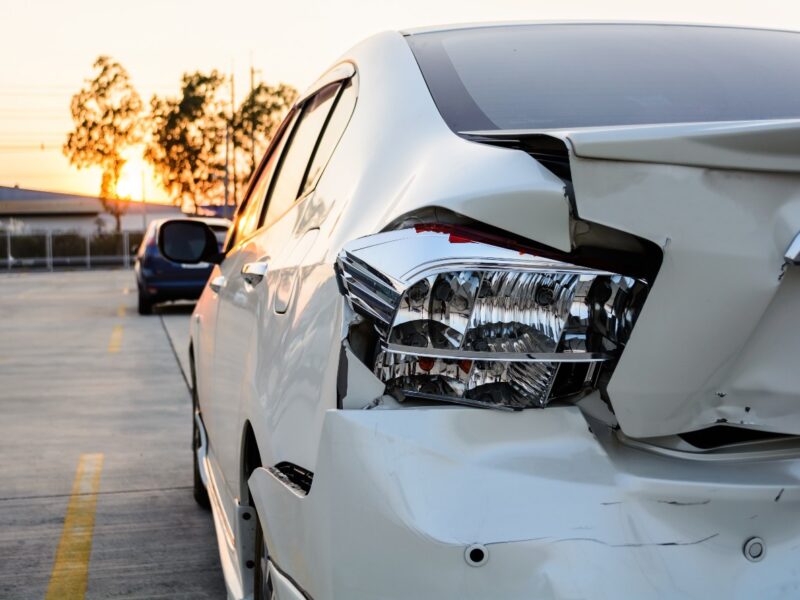
Making a claim for a Hit and Run accident in California
If you’ve been injured in a hit-and-run crash in California, you’re probably angry, scared, and confused. The other driver fled. You’re left with serious injuries, medical bills, and a damaged car – and you’re wondering:
“Can I sue for a hit and run in California if I don’t know who hit me?”
The short answer:
- Yes, you can sue the at-fault driver if they’re identified
- If the driver is never found, you still may be able to recover compensation through your own uninsured motorist coverage and in some cases through the California crime victim compensation board
This article explains how hit-and-run claims work in California, what your options are if the other driver is unknown, and how to protect your rights from the very beginning.
Whether your crash happened on Highway 101, I-280, I-80, I-880, the Bay Bridge, the Richmond Parkway, or a local street anywhere in the Bay Area, these principles apply.
Hit and Run Is a Crime – But Your Case Is a Civil Claim
In California, leaving the scene of an accident is a crime. Depending on whether there were injuries, hit and run can be charged as a misdemeanor or a felony under California Vehicle Code sections 20001 and 20002. The criminal case is handled by the local District Attorney and focuses on punishing the offender.
Your personal injury claim is separate. That’s a civil matter, and is focused on getting compensation for your:
- Medical bills
- Lost wages
- Pain and suffering
- Emotional distress
- Future medical care
- Property damage
- Long-term disability or limitations
So even if the driver is never located, arrested, or prosecuted, you may still have options to recover compensation.
Option 1: Sue the Hit-and-Run Driver (If They’re Identified)
If law enforcement eventually identify the driver who hit you (through witnesses, a license plate number, or video cameras in the area), your claim is handled much like any other car accident case.
You can bring a civil claim against:
- The at-fault driver
- Their insurance company
- Sometimes their employer, if they were driving for work
Civil Deadline (Statute of Limitations)
In California, the general deadline to file a personal injury lawsuit is:
2 years from the date of the accident for most injury claims.
This 2-year limit applies to hit-and-run crashes as well – the extended 6-year period you may see online relates only to criminal charges, not your civil injury case.
There can be exceptions (for minors, late-discovered injuries, government vehicles, etc.), but two years is the general rule. Waiting too long can permanently bar your claim – even if the driver was clearly at fault. Acting quickly after a hit and run accident is crucial.
Option 2: Use Your Own Uninsured Motorist (UM) Coverage
What if the hit-and-run driver is never found?
In California, many hit-and-run injury cases are resolved through the injured person’s uninsured motorist (UM) coverage, if they have it on their auto policy. UM coverage is specifically designed to protect you when:
- The driver who hit you has no insurance, or
- The driver hits you and then flees the scene and is never identified
California law treats a true, unknown hit-and-run driver as an “uninsured motorist” which gives you access to your own UM benefits under your auto policy – but there are important rules.
Key Requirements for a UM Hit-and-Run Claim
Under California law and typical policy language, you generally must:
1. Have “physical contact” with the hit-and-run vehicle
- There usually must be some contact between their vehicle and yours (or you, if you were a pedestrian/cyclist, or with your bicycle if you were riding one).
“Phantom vehicle” cases – where someone runs you off the road without contact – are much harder to obtain coverage for.
2. Report the crash to law enforcement quickly
- Many UM policies and cases follow Insurance Code §11580.2, which requires prompt reporting – often within 24 hours – for hit-and-run UM claims, and failure to do so can jeopardize coverage. Go to the police and make a report of the incident.
3. Notify your insurance company promptly
- You usually must report a potential UM claim to your insurer as soon as possible and often give a sworn statement within a set timeframe.
4. Cooperate and provide documentation
- Medical records, police reports, photos, witness info, and proof of your losses all matter, gather these and provide them to your attorney to review before providing them to your insurer.
If you meet these conditions, your own policy can step in and pay as if it were the hit-and-run driver’s insurance.
Option 3: California Victim Compensation (CalVCB)
Because hit and run is considered a violent crime when it causes injury, some victims may also be eligible for help from the California Victim Compensation Board (CalVCB).
CalVCB can help reimburse certain crime-related expenses, such as:
- Medical treatment
- Mental health counseling
- Income loss
- Funeral and burial expenses (in fatal cases)
To qualify, you must generally:
- Be the victim of a qualifying crime (hit-and-run is included)
- Be injured or threatened with injury
- Cooperate with law enforcement
- Apply within specific time limits (in many cases, up to seven years from the crime or discovery of the crime-related injury)
CalVCB is considered the “payor of last resort”, meaning it helps when other sources (like insurance and civil settlements) are unavailable or insufficient.
What You Should Do Immediately After a Bay Area Hit-and-Run Crash
No matter which Bay Area city you’re in – San Francisco, Oakland, Berkeley, Richmond, Daly City, San Mateo, Fremont, Walnut Creek, San Jose – taking the right steps after a hit-and-run can make or break your case.
- Call 911 and Get Medical Help
Your health comes first. Even if you’re not sure how badly you’re hurt, get evaluated. Many injuries show up hours or days later, especially:
- Whiplash
- Back and neck injuries
- Concussions & Brain Injuries
- Broken bones
- Shoulder/knee injuries
- Soft-tissue damage
Early treatment protects both your health and your injury claim.
- Report the Hit-and-Run to Police Immediately
Tell the 911 dispatcher and responding officers as much as you can:
- Direction the other vehicle went
- Vehicle color, make, or model
- Any part of the license plate you saw
- Description of the driver or passengers
- Whether there were witnesses or nearby cameras
If you did not report it at the scene then and there, you can go right down to the local police station closest to where the accident happened and ask to file a police report about the incident.
A timely police report is critical for:
- Helping officers locate the driver
- Protecting your UM hit-and-run coverage
- Supporting any CalVCB claim
- Strengthening your civil case
- Look for Evidence and Witnesses
If you’re able:
- Take photos of your vehicle, the accident scene, and any visible injuries
- Check for businesses, homes, or traffic cameras in the area that may have a video camera which captured the hit and run.
- Get contact info for any witnesses
Video footage and independent witnesses can make a huge difference in hit-and-run cases.
- Notify Your Insurance Company (Carefully)
You should report the crash to your insurance company, but:
- Be brief and factual
- Do not guess about injuries or fault
- Avoid making any statements that could harm your interests before consulting a lawyer first
- Do not give a recorded statement before speaking to an attorney
- Understand that insurance companies, including your own, may sound like they are there to help you, but they look to deny claims where they can or minimize what they have to pay out. They often act in their own best interest, rather than in yours.
When you hire an experienced personal injury lawyer, they handle the communication and prevent you from saying something an insurance adjuster might twist and use against you later.
Can You Sue If the Driver Is Never Found?
You usually cannot sue an unknown, unidentified driver in any meaningful way – there’s no person or insurance company to collect from. However, you can still:
- Bring a UM claim under your own auto policy (if coverage exists and requirements are met)
- Seek CalVCB benefits as a crime victim, in appropriate cases
If the driver is later identified, your lawyer can:
- Amend a lawsuit to name them as a defendant, or
- File a new suit, depending on timing and circumstances
This is why it’s so important to act quickly and ideally have a skilled personal injury attorney guiding you from the start.
How a Hit-and-Run Lawyer Helps Your Case
Hit-and-run claims are far more complex than a typical car accident. You may be dealing with:
- An unidentified at-fault driver
- UM/UIM coverage questions and technical policy requirements
- Strict deadlines for police reports and UM claims
- CalVCB applications and documentation
- Disputes about whether “physical contact” occurred
- Insurers arguing your injuries aren’t related to the hit and run accident
- Insurers trying to claim you were at fault for the accident, in part or in whole
Our experienced Bay Area personal injury lawyers can:
- Investigate the crash and help locate evidence
- Work with law enforcement when appropriate
- Preserve your right to recover UM compensation
- Determine and pursue the full value of your legally recoverable damages
- Deal with all insurance companies on your behalf
- File a lawsuit if the driver is identified and insured
You can focus on the healing process while our legal team focuses on getting you compensated.
The Hassell Law Group: Hit-and-Run Injury Lawyers for the Bay Area
If you’ve been injured in a hit-and-run crash anywhere in the San Francisco Bay Area – San Francisco, Oakland, Berkeley, Richmond, Daly City, San Mateo, Fremont, Walnut Creek, San Jose, or beyond –The Hassell Law Group is here to help.
Our firm is known for:
- Award-winning representation
- Obtaining some of the largest case settlements in California
- Decades of experience in serious accident cases
- Hundreds of millions of dollars recovered for clients
- Deep knowledge of California insurance and Uninsured Motorist law
- Compassionate, hands-on support throughout the process
Hit-and-run victims often don’t know what to do and feel powerless. You don’t have to go through this alone. Let us empower you and determine your options and next steps.
Call Us Today- We Can Help
If you were injured in a hit-and-run accident in California, you may still have powerful options – even if the driver fled the scene.
Contact The Hassell Law Group today for a free, no-obligation consultation. You pay no fees unless we recover compensation for you.
Call us at (415) 334-4111 now and let our experienced Bay Area hit-and-run attorneys fight for the compensation and justice you deserve.
Read next: What happens when you are hit by an uninsured driver?
The general information provided on this website should not be considered legal advice and does not constitute legal advice. For legal advice, you should consult directly with an attorney regarding your specific situation. If you contact us by telephone, email, letter, or by contact form submission through this website, please note that such communication does not create or constitute an attorney-client relationship. We cannot act as your attorney until we are hired as your attorney by a formal written agreement.

 What Happens If Your Lyft Gets Into An Accident?